

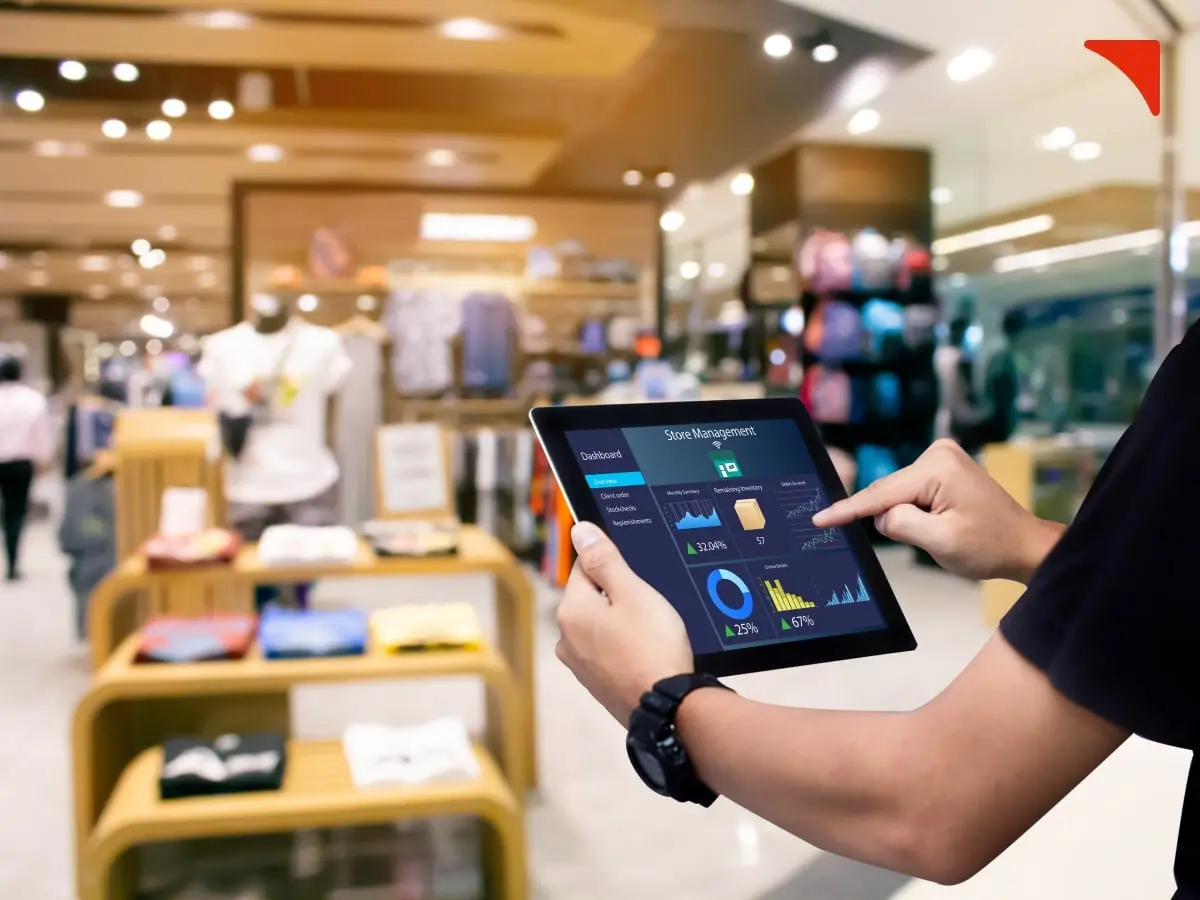
Shopping has evolved from local marketplaces to global digital platforms in just a few decades. Today, consumers can compare products, read reviews, and complete purchases within seconds. As technology advances, the retail experience continues to shift toward greater personalization, speed, and convenience. The future of shopping is driven by data, automation, and immersive digital experiences.
Below is a clear look at the technologies and trends shaping tomorrow’s retail landscape.
Artificial Intelligence and Personalization
Artificial intelligence is redefining how consumers discover products.
How AI Impacts Shopping:
- Personalized product recommendations
- Predictive search suggestions
- Dynamic pricing strategies
- Automated customer service chatbots
Retailers use data analytics to understand buying patterns and tailor experiences. This reduces browsing time and increases satisfaction.
Augmented Reality and Virtual Try-Ons
Augmented reality (AR) allows customers to visualize products before purchasing.
Real-World Applications:
- Virtual clothing fitting rooms
- Furniture placement previews
- Makeup try-on filters
- Interactive product demonstrations
AR reduces uncertainty, particularly for fashion and home décor purchases.
The Rise of Voice Commerce
Voice assistants are becoming shopping tools.
Benefits of Voice Commerce:
- Hands-free purchasing
- Quick reordering of essentials
- Faster product searches
- Seamless integration with smart homes
As voice recognition improves, voice-based transactions are expected to grow.
Omnichannel Retail Experiences
Modern shoppers move fluidly between online and offline channels.
Omnichannel Features:
- Buy online, pick up in store (BOPIS)
- In-store mobile payments
- Unified loyalty programs
- Real-time inventory tracking
Retailers are blending digital convenience with physical store engagement.
Faster and Smarter Delivery
Logistics innovation is reshaping customer expectations.
Delivery Trends:
- Same-day or next-day shipping
- Automated warehouses
- Drone and robot delivery trials
- Real-time package tracking
Speed and transparency are becoming competitive advantages.
Sustainable and Ethical Shopping
Digital shopping is also responding to environmental concerns.
Sustainability Shifts:
- Eco-friendly packaging
- Carbon-neutral shipping options
- Transparent sourcing information
- Second-hand and resale platforms
Consumers increasingly prioritize ethical brands and environmentally responsible practices.
Blockchain and Secure Transactions
Security remains critical in a digital retail ecosystem.
Emerging Security Solutions:
- Blockchain-based payment systems
- Enhanced encryption protocols
- Biometric authentication
- Fraud detection powered by AI
These technologies help protect customer data and build trust.
Subscription and Automated Purchasing Models
Recurring deliveries and automated restocking services are expanding.
Why Subscriptions Are Growing:
- Convenience
- Predictable pricing
- Personalized product selections
- Reduced decision fatigue
This model is particularly popular for household essentials and digital services.
The Human Element in Digital Shopping
Despite automation, human connection remains important.
Maintaining Engagement:
- Responsive customer service
- Transparent communication
- Community building through social platforms
- User-generated reviews
Technology enhances shopping, but trust and authenticity still drive loyalty.
FAQ: The Future of Shopping in a Digital World
1. Will physical stores disappear completely?
Unlikely. Many retailers are adopting hybrid models that integrate both online and in-store experiences.
2. How does AI improve the shopping experience?
AI analyzes behavior and preferences to offer relevant product suggestions and streamline search results.
3. Is augmented reality widely available for shoppers?
AR is increasingly integrated into retail apps, especially in fashion, beauty, and furniture sectors.
4. Are drone deliveries already common?
They are still in limited pilot phases, but testing continues in select regions.
5. How does sustainability affect digital shopping?
Consumers demand eco-friendly packaging, transparent sourcing, and reduced carbon footprints from online retailers.
6. What role does data privacy play in future shopping trends?
Stronger regulations and security technologies aim to protect consumer information while enabling personalization.
7. Will voice commerce replace traditional browsing?
Voice commerce will likely complement rather than replace visual browsing, especially for repeat purchases.
The future of shopping in a digital world is defined by innovation, speed, and personalization. As technology evolves, retail will continue to adapt—creating experiences that are smarter, more immersive, and increasingly aligned with consumer expectations.

Comments are closed.