

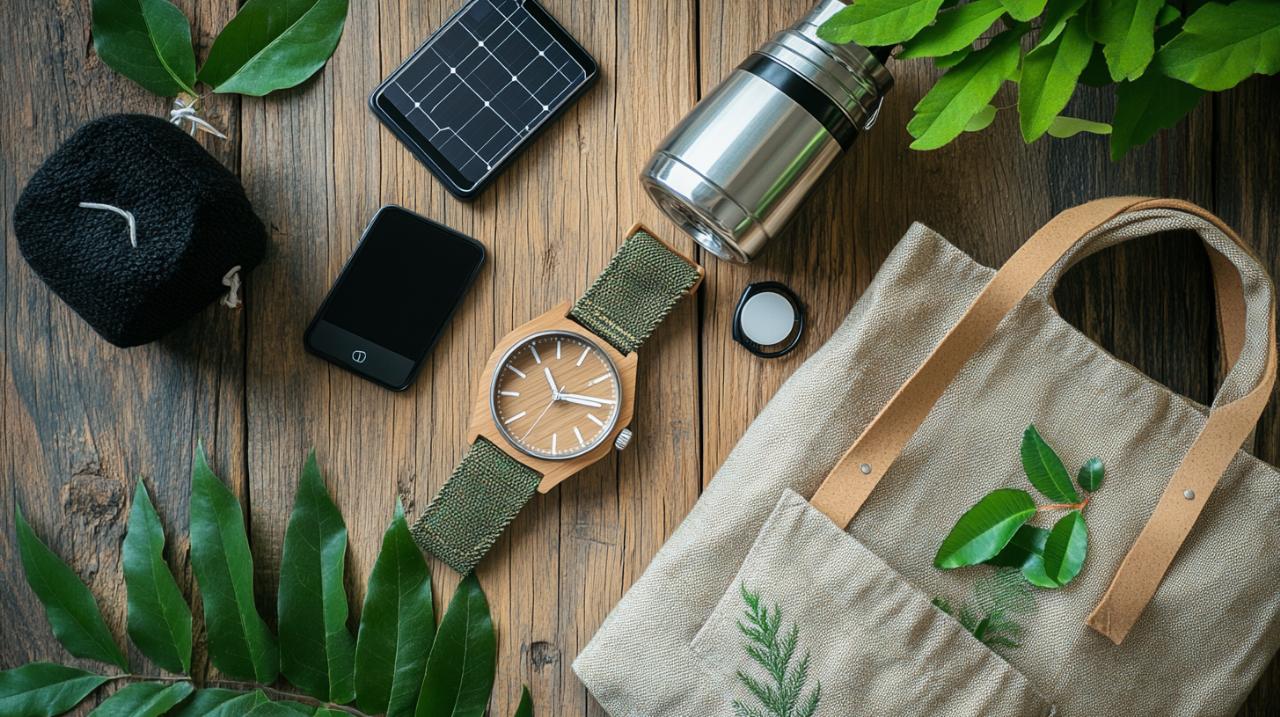
The fashion industry is evolving, and accessories are no exception. Today’s consumers are increasingly aware of how their purchases affect the planet and the people who make them. Sustainable accessories combine style, durability, and ethical responsibility, proving that fashion can be both beautiful and mindful.
From eco-friendly materials to transparent production practices, these thoughtful choices allow you to refine your look without compromising your values.
What Makes an Accessory Sustainable?
Sustainability in fashion goes beyond recycled materials. It encompasses the entire lifecycle of a product.
Key Factors Include:
- Eco-friendly materials (organic, recycled, biodegradable)
- Ethical labor practices
- Low-impact manufacturing processes
- Reduced carbon footprint
- Long-lasting design to minimize waste
An accessory designed to endure trends and daily wear is inherently more sustainable than one that needs replacing after a season.
Recycled and Upcycled Jewelry
Jewelry crafted from recycled metals or reclaimed materials reduces the need for new mining, which can be environmentally damaging.
Why It Matters:
- Mining precious metals consumes vast natural resources
- Recycled metals maintain the same quality and durability
- Handmade production often supports small artisans
Look for certifications or brand transparency that clearly explain sourcing and production methods.
Vegan and Plant-Based Handbags
Traditional leather production involves heavy water usage and chemical processing. Modern alternatives now offer stylish solutions with reduced environmental impact.
Popular Sustainable Materials:
- Cork leather
- Piñatex (pineapple leaf fiber)
- Recycled polyurethane
- Apple leather
- Organic cotton canvas
Choose structured designs in neutral tones to ensure versatility and longevity.
Eco-Friendly Scarves and Textiles
Scarves and fabric accessories are ideal for exploring sustainable textiles.
Sustainable Fabric Options:
- Organic cotton
- Bamboo fibers
- Linen
- TENCEL™ (lyocell)
Natural dyes derived from plants reduce water contamination and give each piece a distinctive character.
Ethical Watches and Minimalist Timepieces
Watches are often associated with craftsmanship and durability—qualities that align naturally with sustainability.
What to Look For:
- Solar-powered mechanisms
- Recycled stainless steel
- FSC-certified wooden components
- Vegan leather straps
A well-made timepiece designed to last years reduces the need for frequent replacements.
Sustainable Sunglasses
Sunglasses made from recycled plastics or biodegradable acetate help divert waste from landfills and oceans.
Smart Buying Tips:
- Check for UV400 protection
- Choose classic frame shapes
- Look for durable hinges
- Support brands with take-back programs
Timeless designs ensure they remain wearable beyond seasonal trends.
The Importance of Slow Fashion
Sustainable accessories are closely tied to the slow fashion movement, which emphasizes quality over quantity.
Core Principles:
- Buy less, choose well
- Support ethical brands
- Prioritize craftsmanship
- Repair rather than replace
When you invest in thoughtfully designed accessories, you reduce overall consumption and environmental strain.
How to Build a Sustainable Accessory Collection
Transitioning to conscious fashion does not require a complete wardrobe overhaul.
Practical Steps:
- Replace items gradually
- Research brand transparency
- Choose versatile pieces
- Care for accessories properly
- Donate or resell unused items
Sustainability is a journey, not an overnight transformation. Small, consistent choices make a measurable difference.
Benefits Beyond the Environment
Choosing sustainable accessories also supports:
- Fair wages and safe working conditions
- Artisan communities
- Reduced waste production
- Healthier ecosystems
- Long-term financial savings through durability
Fashion becomes more meaningful when it reflects your values as well as your personal style.
FAQ: Sustainable Accessories
1. Are sustainable accessories more expensive?
They can have a higher upfront cost, but their durability often makes them more cost-effective over time.
2. How can I verify if a brand is truly sustainable?
Look for transparency in sourcing, certifications, detailed production information, and third-party audits.
3. Do vegan materials always mean environmentally friendly?
Not necessarily. Some synthetic alternatives are petroleum-based. Research the specific material used.
4. What certifications should I look for in sustainable fashion?
Common certifications include GOTS (Global Organic Textile Standard), Fair Trade, FSC, and OEKO-TEX.
5. Can recycled materials be as durable as new ones?
Yes. Recycled metals and plastics often retain the same strength and longevity as virgin materials.
6. How do I care for sustainable accessories to extend their life?
Store them properly, clean gently with recommended products, and repair minor damage promptly.
7. Is buying second-hand considered sustainable?
Absolutely. Purchasing pre-owned accessories extends product lifecycles and reduces demand for new production.
Sustainable accessories demonstrate that style and responsibility can coexist. By choosing materials and brands thoughtfully, you contribute to a fashion ecosystem that values people, quality, and the planet.

Comments are closed.