

Choosing between outlet shopping and mall shopping depends on budget, convenience, brand preference, and overall experience. While both offer access to popular retailers, the environment, pricing structure, and product selection can vary significantly. Understanding the differences helps shoppers make smarter purchasing decisions.
Below is a clear comparison of outlet stores and traditional shopping malls.
What Is Outlet Shopping?
Outlet centers typically feature brand-specific stores offering discounted merchandise. Many outlets are located outside city centers and are designed as open-air complexes.
Key Characteristics:
- Discounted prices year-round
- Past-season or overstock items
- Products made specifically for outlet stores
- Outdoor or warehouse-style layouts
Outlets attract bargain hunters seeking recognizable brands at reduced prices.
What Is Mall Shopping?
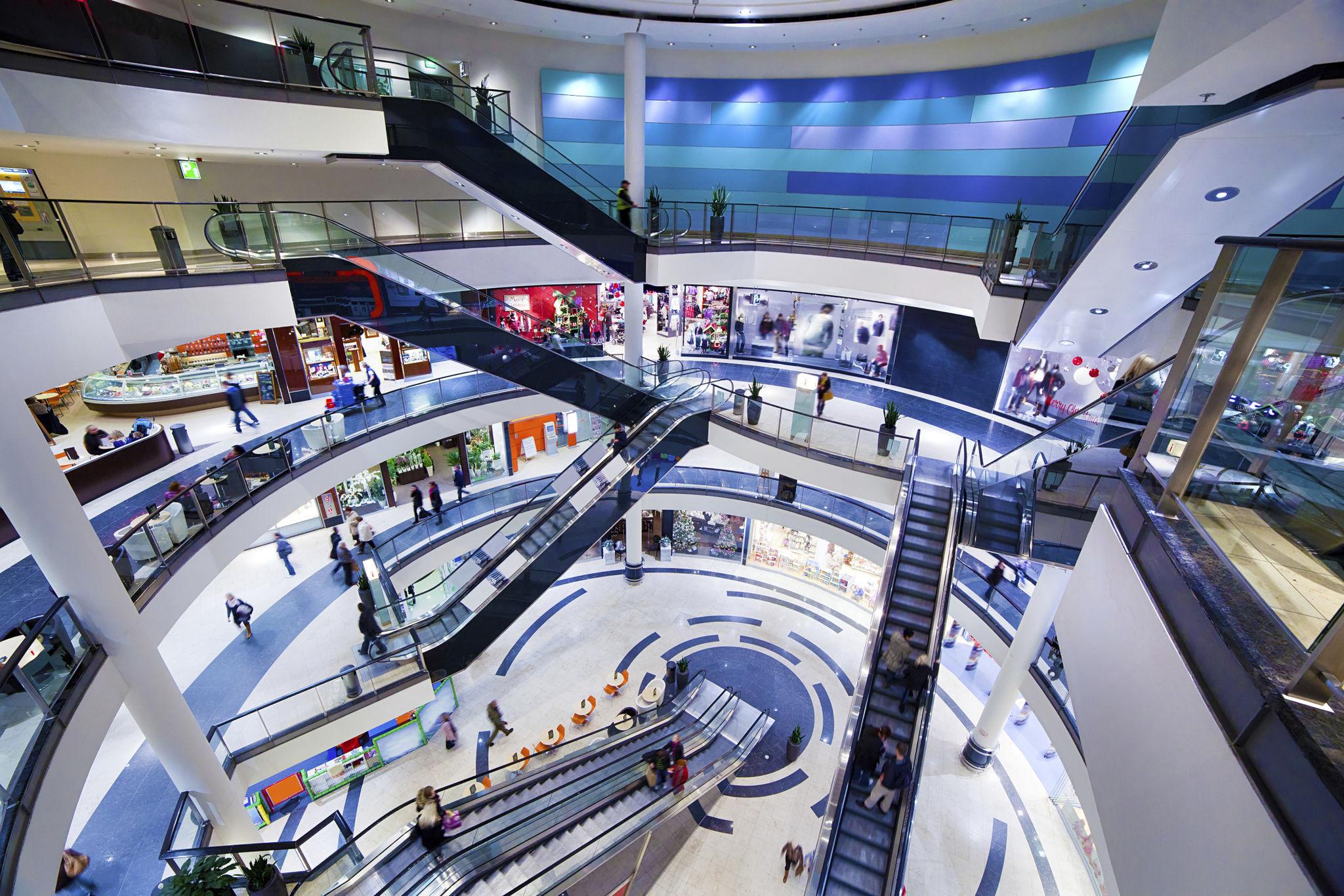
Shopping malls are enclosed retail centers housing multiple brands, restaurants, and entertainment facilities.
Key Characteristics:
- Full-price collections and new releases
- Climate-controlled indoor environment
- Diverse retail categories
- Dining and entertainment options
Malls often serve as social and leisure destinations in addition to shopping hubs.
Price Differences
Price is often the main reason shoppers choose outlets.
Outlet Pricing:
- Frequent markdowns
- Seasonal clearance deals
- Bundle promotions
- Factory-exclusive product lines
Mall Pricing:
- Standard retail pricing
- Occasional seasonal sales
- Loyalty discounts
- Premium brand collections
While outlet prices are generally lower, product quality and design may differ from mall inventory.
Product Quality and Selection
Not all outlet merchandise is identical to what you find in malls.
Important Considerations:
- Some outlet items are specifically manufactured at lower production costs
- Mall stores usually carry the latest collections
- Outlet stores may stock limited sizes
- Mall retailers often provide wider variety
Shoppers seeking trend-forward items may prefer malls, while value-focused buyers may favor outlets.
Shopping Experience
The overall atmosphere differs between the two.
Outlet Experience:
- Open-air environment
- Larger parking areas
- Destination-style trips
- Less crowded during weekdays
Mall Experience:
- Indoor comfort regardless of weather
- Entertainment venues like cinemas
- Food courts and cafes
- Central urban locations
Your preference may depend on weather conditions and how much time you want to spend shopping.
Accessibility and Location
Outlets are often located outside city centers to reduce overhead costs, which helps maintain lower pricing. This may require longer travel times.
Malls are typically located in urban or suburban areas, making them more accessible for quick visits.
Return Policies and Services
Return policies can vary between outlet and mall stores.
Differences to Note:
- Some outlet purchases may have stricter return rules
- Mall stores often provide extended return windows
- Customer service desks are more common in malls
- Alteration or tailoring services are usually mall-based
Review policies before purchasing, especially when buying discounted items.
Which Option Offers Better Value?
Value depends on what you prioritize.
Choose Outlet Shopping If You:
- Focus on savings
- Don’t mind past-season items
- Plan dedicated shopping trips
- Prefer bulk purchases
Choose Mall Shopping If You:
- Want the latest collections
- Value convenience
- Enjoy dining and entertainment
- Prefer broader brand selection
Both formats serve different needs, and many shoppers alternate between them.
Seasonal Shopping Considerations
- Outlets often offer strong discounts during holiday weekends
- Malls provide major promotions during seasonal sales
- Clearance timing differs between locations
- Early access to new collections is typically mall-based
Strategic timing can maximize savings in either setting.
FAQ: Outlet Shopping vs. Mall Shopping
1. Are outlet products lower quality than mall products?
Some outlet items are made specifically for outlets with different materials, while others are overstock from mainline stores.
2. Do outlets carry the newest collections?
Typically no. Most outlets focus on past-season or specially produced merchandise.
3. Is mall shopping more expensive overall?
Generally yes, though seasonal sales and promotions can reduce prices significantly.
4. Which option is better for luxury brands?
Malls often carry full-price luxury collections, while outlets may offer discounted older stock.
5. Are outlet return policies stricter?
In some cases, yes. Always check store policies before purchasing.
6. Is outlet shopping worth traveling for?
It can be, especially if purchasing multiple items that result in substantial savings.
7. Do malls offer better customer service?
Malls often provide centralized services such as information desks, gift wrapping, and extended return periods.
Outlet shopping and mall shopping each offer distinct advantages. Whether you prioritize price, product selection, convenience, or overall experience, understanding these differences helps you shop more strategically and confidently.

Comments are closed.